
Guides
The long reads, grouped by what they are about. Each one is written to be read on its own — start wherever your problem is.
Tracking and ETAs
-
Container tracking for fresh produce importers
Why tracking positions are often wrong, what the milestones actually mean, and how to turn a container number into a decision you can act on.
Start here 6 min read
-
Why tracking positions are often wrong
The dot on a container tracking map is usually a guess. Here is how interpolation works, when it fails, and how to tell a real AIS fix from an estimate.
11 min read
-
IMO number vs MMSI number: how to identify a vessel
What an IMO number and an MMSI number are, who assigns them, where to find them, and which one to trust when you check the ship carrying your fruit.
7 min read
-

Why does my ETA keep changing?
Because it was never a promise. What an ETA is actually built from, why it moves, and which movements are worth acting on rather than watching.
7 min read
-
How to track a reefer container end-to-end
What to watch at each stage of a refrigerated container's journey, which events actually change what you do, and why the temperature log matters most.
6 min read
-
Booking through a forwarder or direct with the carrier
What each way of booking costs a produce importer, what changes when the box is a reefer, and why the reference you hold decides what you can see.
8 min read
-
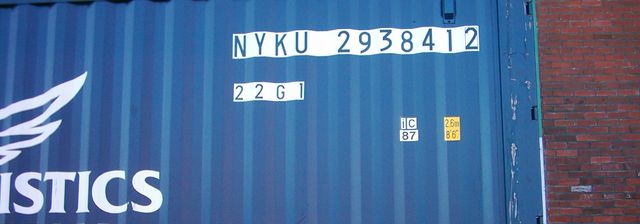
The shipping data standards that actually exist, and what they leave out
Shipping has three generations of data standards, each covering one slice of the chain. Which slice is which decides where your data stays a PDF.
37 min read
Reefers and cold chain
-
What is a reefer container? Sizes, setpoints and what fails
Reefer means refrigerated. What a reefer container is, 20ft and 40ft reefer sizes and specs, setpoints, controlled atmosphere and the usual failures.
7 min read
-
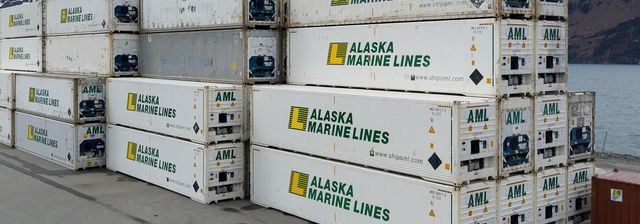
What a modern reefer can and cannot do for your fruit
A reefer removes heat rather than adding cold. What that means for your setpoint, whether controlled atmosphere earns its cost, and what is changing.
10 min read
-
Reefer shortages: why there is never a box when you need one
Reefer equipment is scarce by design, scarcest exactly when your season peaks. What causes it, what it costs, and the parts you can influence.
9 min read
Documents and claims
-
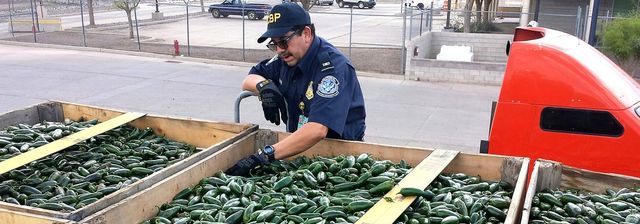
Understanding the documents in a fresh produce import
What each document in a produce import is for, who issues it, when it has to arrive, and which ones stop your container leaving the terminal.
6 min read
-
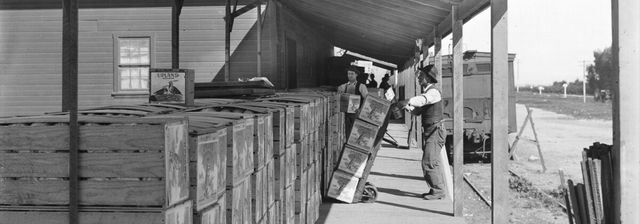
Packing lists in fresh produce shipping: a complete guide
What is on a produce packing list, why no two exporters build one the same way, and an annotated example of the fields you need pulled out.
15 min read
-
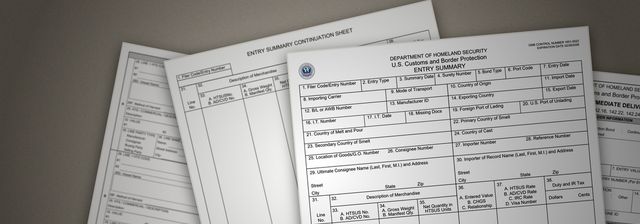
Why document automation in produce trade was impossible until now
Legacy OCR could never read a produce packing list — sixty growers, sixty layouts, four languages, phone-camera scans. What changed, and what still fails.
11 min read
-

Manual data entry from shipping documents: what it really costs
Someone in your office will key eleven working days of packing lists this season. What that costs, where the number comes from, and how to find yours.
17 min read
-
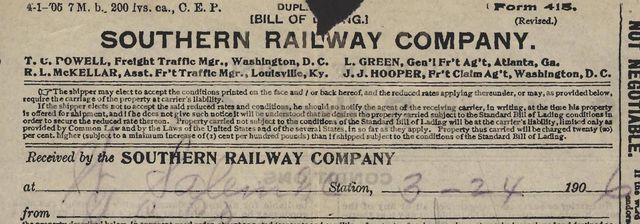
Bill of lading explained for produce importers
Which fields on a B/L your tracking needs, which ones customs reads, and how to choose between an original, a telex release and a sea waybill.
10 min read
-
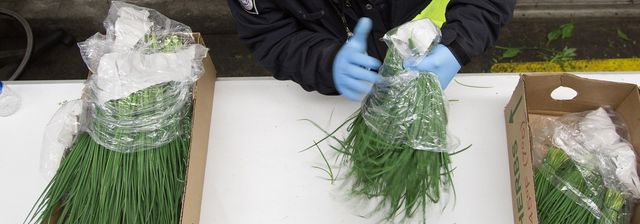
Reefer cargo claims: how importers document and win them
Temperature-damaged fruit and a carrier saying no. What to do in the first 72 hours, which evidence decides it, and the deadlines that end a claim early.
11 min read
-
Phytosanitary certificate: what produce importers must check
What a phytosanitary certificate certifies, who issues it, how ePhyto changes the paperwork, and the errors that hold fruit at the EU or UK border.
7 min read
Delays and what they cost
-
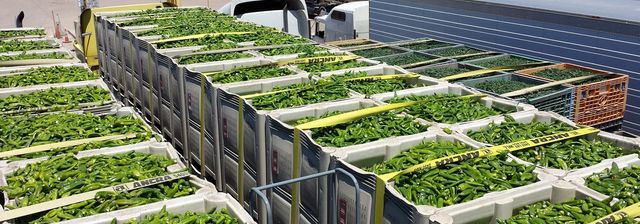
Demurrage and detention: how importers lose money on free time
Where the charges come from, why they escalate, the mistakes that cause most of them, and what actually works to avoid paying them.
7 min read
-
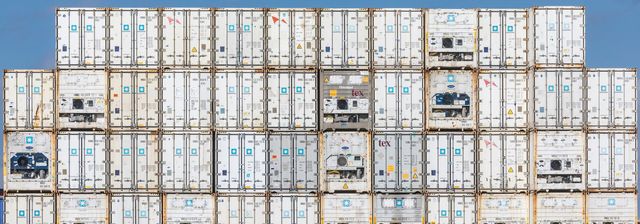
Disputing a demurrage invoice: why paying first loses the argument
Pay under protest and your leverage is gone. How to challenge demurrage and detention charges when the cargo is perishable and cannot wait.
7 min read
-

Your container got rolled: what actually happened and what to do now
The vessel sailed and your reefer did not. How to confirm it was a rollover, what to decide in the first two days, and what the line will give you.
9 min read
-
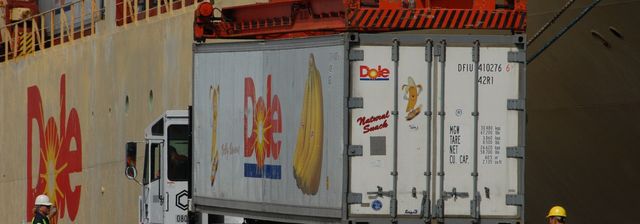
Transit time is shelf life: the real cost of rerouting
A longer voyage does not add cost at the margin. It moves days out of the part of the journey that sells fruit and into the part that does not.
7 min read
-
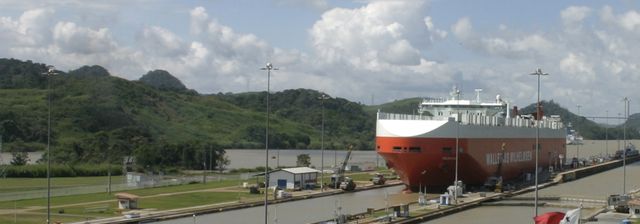
El Niño and fresh produce shipping: what it changes for importers
El Niño moves your harvest windows and your transits in the same weeks. Which origins it hits, which it spares, and what it does at the Panama Canal.
14 min read
-
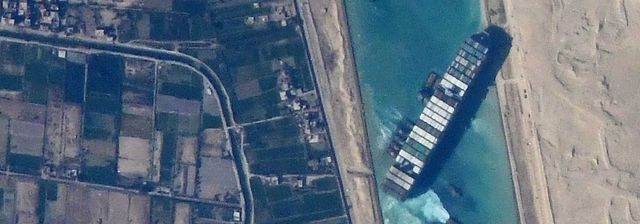
Fresh produce chokepoints: a geopolitical guide for importers
Who can close Panama, Suez, Gibraltar, Hormuz and Malacca, why they would, and what each closure costs a reefer of fruit in days of shelf life.
24 min read
Where sea freight is going
-
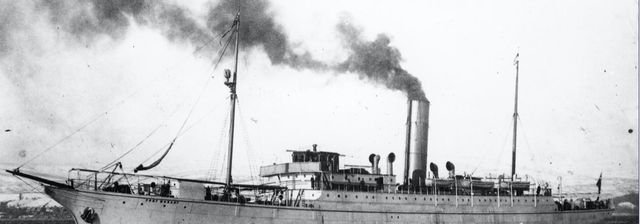
The air-to-sea frontier: which perishables cross next
Sea freight costs a fraction of air. The four things that decide whether a commodity can make the switch, and where each one sits on the line today.
Start here 13 min read
-
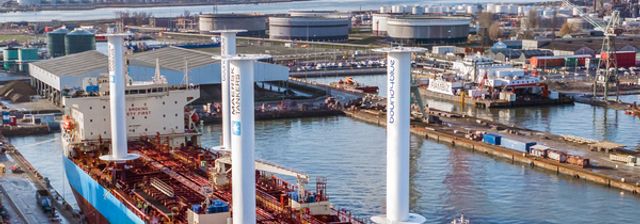
Why 19th-century sailing routes might matter again for fresh produce
Wind-assisted ships are routed for wind, not distance. What that changes on a reefer lane, and why it costs you no days.
10 min read
-

Food miles are misleading: what actually drives your import carbon footprint
Distance is a poor guide to carbon. Why the mode matters more than the miles on a produce lane, and what a retailer can actually require you to report.
11 min read